
Most of us notice what our dogs eat only when we are standing in the kitchen. But changes in appetite or water drinking are often among the first signs that something is off, and many of those changes happen while we are at work or asleep. A pet camera pointed at the feeding area gives you a simple way to see whether your dog finished breakfast, how often they visit the water bowl and whether a housemate is stealing food. This guide covers how to set that up and what to look for. It is general guidance and not a substitute for veterinary care; if you are worried about your dog's appetite, thirst or health, contact your vet.
Why eating and drinking are worth watching
Dogs cannot tell us when they feel unwell, and they are often good at hiding discomfort. Changes in eating or drinking habits, such as skipping meals, eating much more slowly or drinking noticeably more water than usual, can be useful information for your vet. A camera does not diagnose anything, but it can help you notice patterns sooner and describe them more accurately.
Place the camera over the feeding area
A few placement tips make a big difference:
- Frame the bowls and a little space around them, so you can see your dog approach, eat and walk away.
- Mount the camera high enough that your dog cannot knock it over or chew the cord; see pet camera cord safety and mounting.
- Avoid pointing it straight at a bright window, which can leave the bowls in shadow.
- Check night vision if your dog eats or drinks after dark; see pet camera night vision and placement.
- Use a consistent bowl spot, so it is easy to compare one day with the next.
If your dog has water in more than one room, consider where most drinking happens, or use a second camera if you need a fuller picture.
Learn what normal looks like
Before you look for changes, spend a week or two getting to know your dog's usual habits:
- How long meals usually take
- Whether they finish in one go or come back later
- Roughly how often they drink, and at what times of day
- How they behave around mealtimes, such as waiting, pacing or playing
Many cameras let you scroll back through motion events or recorded clips. Short, regular checks are often more useful than watching for hours. A simple diary helps; see keeping a food and health diary for your dog.
Changes worth noting
Once you know your dog's normal pattern, watch for changes such as:
- Leaving food they usually finish, or refusing meals
- Eating much faster or slower than usual, or dropping food from the mouth
- Visiting the water bowl much more or less than normal
- Approaching the bowl and walking away without eating
- Coughing, gagging or vomiting after eating or drinking
- Changes in behavior at mealtimes, such as restlessness or reluctance to bend down to the bowl
Weather, exercise, routine changes and new foods can all affect appetite and thirst. Warm days and active days usually mean more drinking, and dogs on fresh or wet food may drink less from the bowl because their food contains more moisture; see water intake and hydration on fresh dog food. Note the context with each change.
When to contact your vet
Call your vet if your dog stops eating, shows a sudden or lasting change in drinking, vomits repeatedly or seems unwell in other ways. Puppies, senior dogs and dogs with existing health conditions may need attention sooner. If you see signs of an emergency, such as collapse, difficulty breathing, a swollen belly with retching or suspected poisoning, contact an emergency vet right away. A camera can help you notice a problem, but it is not a reason to wait.
Multi-dog homes
In homes with more than one dog, a camera can reveal who is really eating what. You might see one dog finishing another's breakfast, guarding the water bowl or eating quickly to move on to a second bowl. If that happens, consider feeding dogs in separate rooms or crates, staggering mealtimes or picking up bowls after a set time. Clear, timestamped clips can also help your vet or trainer understand what is going on. See using pet cameras with multiple pets and fresh food in multi-dog homes.
Food puzzles and slow feeders
If you use a slow feeder or food puzzle, a camera lets you see whether your dog enjoys it or gets frustrated. Some dogs settle in happily, while others give up and leave food behind. Watching a few sessions helps you adjust the difficulty. For more ideas, see slowing down fast eaters on fresh food.
Food safety when you are not home
Fresh and wet foods spoil if they sit out too long. A camera can show whether your dog finished a meal or left some behind for hours. If a dog sitter or family member serves meals while you are away, you can check that food went down and leftovers were picked up. Follow your food brand's guidance on how long a meal can safely sit out; see storing and serving fresh dog food.
Privacy and alerts
A camera in the kitchen will capture people too, so let household members and guests know it is there and use privacy modes when you are home. Rather than constant alerts, set motion zones around the bowls where your camera supports it, so you get fewer, more useful notifications; see tuning pet camera motion and bark alerts.
Bottom line
A pet camera over the bowls can help you learn your dog's normal eating and drinking habits and notice changes sooner. Frame the feeding area well, keep a simple log, note the context of any change, share clear clips with your vet and contact them promptly if something seems wrong.
Pet cameras that fit this guide
Two Petcube cameras whose published features match what this guide covers. Facts come from Petcube’s product pages; we haven’t tested them. See every camera we list on the pet cameras comparison.
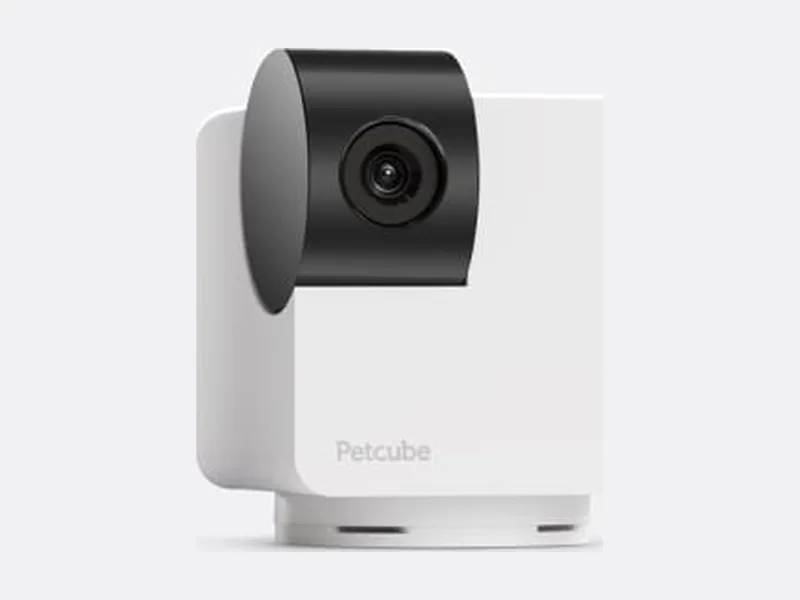
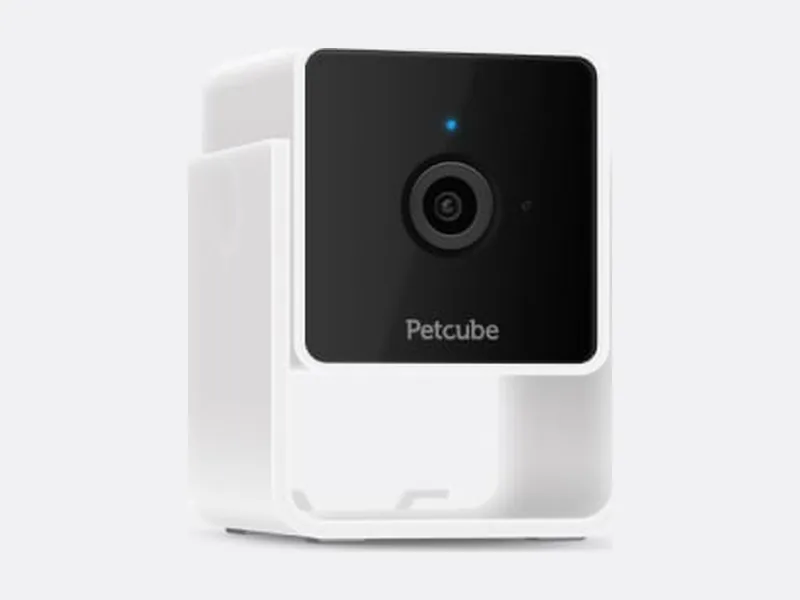
Affiliate links: Petcube links go through the Awin network, and we may earn a commission if you buy, at no extra cost to you. It doesn’t change the facts we show. Prices from petcube.com as of Oct 15, 2026. How we make money
About this guide
Our guides explain how to read labels, plans and specs so you can make your own choice with your vet. We don’t make health claims, we haven’t hands-on tested products, and we don’t publish invented statistics or ratings. Product facts come from official brand pages. How we work.
Product images are illustrative stock photos, not the exact products listed, except Petcube cameras, which show Petcube’s own product photos. Photo credits